
Varsity students experience depression, stress, and anxiety every day, sometimes without any knowledge, they are suffering from a mental illness.
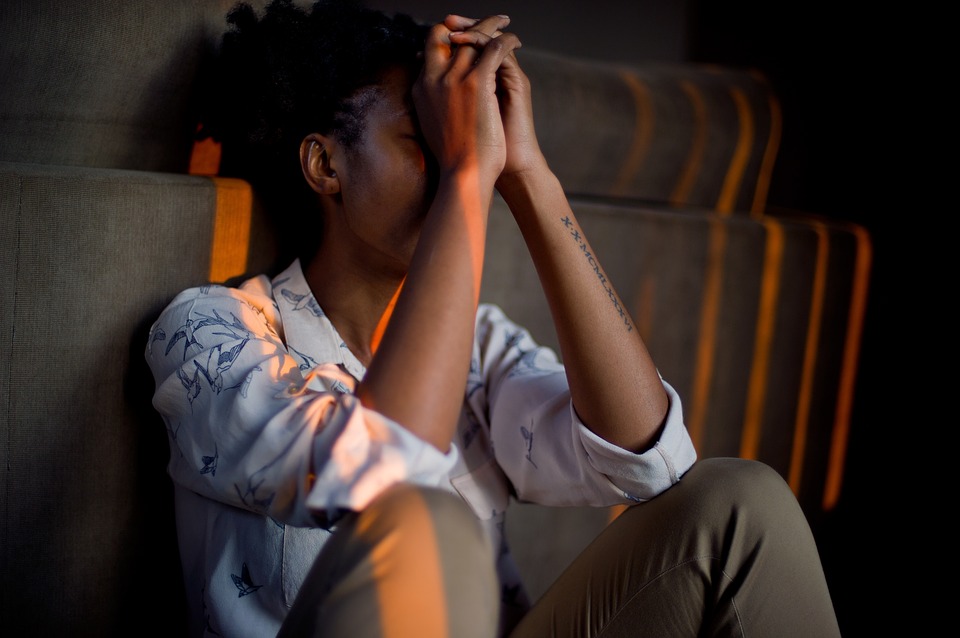
Depression is a common and serious medical illness that negatively affects how a person feels, thinks as well as how a person acts. Fortunately, it is treatable. Between 80% and 90% of people with depression eventually, respond well to the treatment. Almost all patients gain some relief from their symptoms. Depression causes feelings of sadness and/or a loss of interest in activities once enjoyed. It can lead to a variety of emotional and physical problems and can decrease a person’s ability to function at varsity and home. Depression can strike at any time, first, it appears during the late teens to mid-20s. Women are more likely than men to experience depression.
Experiencing depression in an environment that doesn’t support or believe in it can be extremely challenging. Depression differs from person to person and there are at least nine different types, including situational depression, postpartum, dysthymia and major depression. It is difficult to make it understandable in a one-size-fits-all way. A lack of sleep, poor eating habits and not enough exercise are a recipe for depression among varsity students. The stress that comes with academia includes financial worries, the pressure to get a good job after school and failed relationships are enough to force some students to drop out of varsity or worse. Many factors of varsity life contribute to risk factors of depression.
Institutions of higher learning need to understand the full impact of the conditions of poverty under which students live, think and learn while studying for a degree or diploma and how these conditions affect their academic success. Entry into tertiary education for students from poor backgrounds is an opportunity to change their economic status at a personal and family level. This becomes difficult to achieve when their economic conditions impact on their level ability to achieve academic success. Without adequate financial resources available in institutions of higher learning students’ experiences of poverty may be only marginally alleviated, which merely extends and in effect reproduces systemic conditions of poverty. Financial problems can cause depression for some students.
Empirical research Mmaselloe Sekhukhune conducted in 2008 for his master’s thesis indicated that many poor students from low-income households do not have enough funds to afford food, and this has a negative impact on their academic performance. Five of the 10 students who participated in his study had to terminate their studies because the National Student Financial Aid Scheme (NSFAS) did not pay all their outstanding fees. The students couldn’t find ways to pay outstanding fees and were not in a position to receive their results. They had to have those results to register for the next academic year. This can lead to depression, imagine studying for the whole year and not receive your results.
Funding in the South African higher education context should not primarily be based on paying fees of university fees. When this occurs the needs of impoverished students are not fully met and it creates unnecessary psychological stress for them. As a result, students become preoccupied with finding ways addressing and meeting their other financial needs such as living, accommodation resources for assignments and registration fees. Without appropriate and adequate financial funding students who come from financially challenged households in SA might never be able to achieve academic success, change the negative cycle of poverty or contribute towards changing the race and gender profile of South African academe.
Many students are unprepared for university life. Today’s students face high debt, they also have fewer job prospects after graduation than previous generations. These added concerns can lead to depressive episodes in students. Depressed students are at a greater risk of developing problems such as substance abuse. They are more likely to binge drink, smoke marijuana and participate in risky sexual behaviors to cope with emotional pain than their non-depressed peers. In a South African context and according to the South African Community Epidemiology Network on Drug Use (SACENDU), cannabis and alcohol are the substances most likely to be abused.
Males in varsity who are over the age of 20 are the biggest abusers of alcohol while other male youths are the main abusers of cannabis. It is estimated that up to 60% of crimes committed to involving the use of the substance and 80% of male youth deaths are alcohol-related. South Africa has a rate of fetal alcohol syndrome which is 5 times that of the US. Some people are more likely than others to abuse substances and develop an addiction. Factors in their lives, other than someone else using within the household include family background and genetics, mental health issues, varsity stress, financial pressure, and relationship problems. These factors can make the person at risk to value substance abuse as a coping mechanism, even though it is against their interest in the long term.
There are also other factors involved, such as peer pressure, particularly when substance use is a norm, boredom and the feeling of not having a sense of purpose can also be contributing factors as can feelings of depression, anxiety and lack of control. The use of substances can also lead to impulsive behavior and poor judgment. The longer an addiction lasts, the more stress and strain it puts on the individual and while different substances have different effects. Alcohol abuse contributes to risky sexual behavior, increasing the chances of contracting HIV and other sexually transmitted diseases as well as neurological disorders and chronic memory disorders. Drug abuse can actually increase a user’s risk of developing a mental disorder. Poor performance academically, permanent cognitive impairment, lack of motivation, immunosuppression and cardiac and lung complications are all common effects.
Often, a break up will precipitate a bout of depressive feelings. Risks of depression related to a break up include intrusive thoughts, the difficulty of controlling those thoughts and trouble sleeping. As many as 43% of students experience insomnia in the months after a breakup. Students that are most likely to become distressed after a breakup experienced neglect or abuse during childhood and had an insecure attachment style, felt more betrayed and were more unprepared for the breakup. Fortunately, the best therapy for depression precipitated by a break up is time. Cognitive behavioral therapy, interpersonal therapy, and especially complicated grief therapy also have high success rates for helping to heal a broken heart.
It can be hard to open up, especially when you are feeling depressed, ashamed or worthless. It is important to remember that many people struggle with feelings like these at one time or another. They don’t mean one is weak, fundamentally flawed, or no good. Accepting your feeling and opening up about them with someone you trust will help you feel less alone. Even though it may not feel like it at the moment, people do love and care about you. If you can muster the courage to talk about your depression, it can and will be resolved. Some people think that talking about sad feelings will make them worse, but the opposite is almost always true. It is very helpful to share your worries with someone who will listen and care about what you say. They don’t need to be able to “fix” you, they just need to be good listeners.
The best treatments for varsity students with depression are usually a combination of antidepressant medications and talk therapies such as cognitive behavioral therapy and interpersonal psychotherapy. Depressed students are also more likely to benefit from exercise, eating a healthy diet, and getting enough rest than many other groups.

 The Golden-Girl Blog